Nature and Wild Life
Pukekura Park and Brooklands
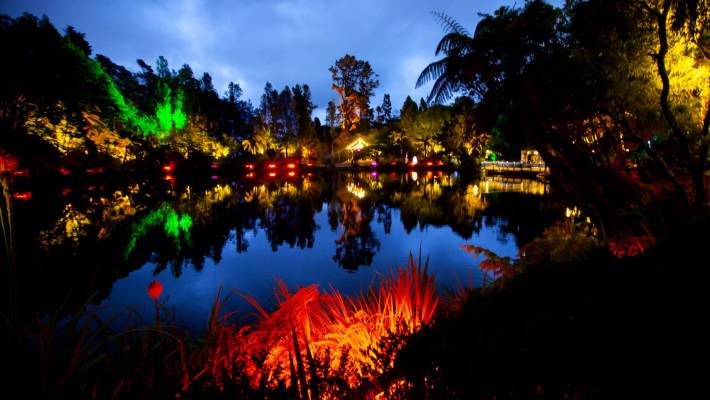
The park covers approximately 52ha and contains a diverse range of landscapes, including many plant collections, exotic specimen trees, formal gardens, lakes and walking trails through native bush. To mark the opening of the park in 1876 an oak for Great Britain, a puriri for New Zealand, a Norfolk Island pine for the South Pacific islands and a Monterey pine for America were planted and are still growing on Cannon Hill. The park includes the Fernery and Display Houses, a facility recognised internationally by horticulturalists for its house design, propagation expertise and consistently high-quality plant displays.
Te Henui Walkway
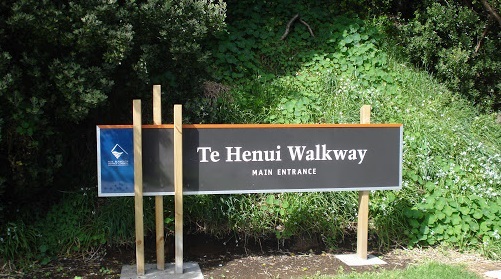
This is the more popular of New Plymouth’s two river walkways. Te Henui winds its way up from the coast through a variety of native and exotic flora, and past several picnic areas and swimming holes. It extends from the coast at East End Reserve to Welbourn and follows the scenic Te Henui River. On the way, you pass by historical pa sites and a wide range of flora and fauna. Gazetted as a national walkway, Te Henui is one of the most beautiful walkways in New Plymouth District and yet, incredibly, it originates from a sewage pipe route.
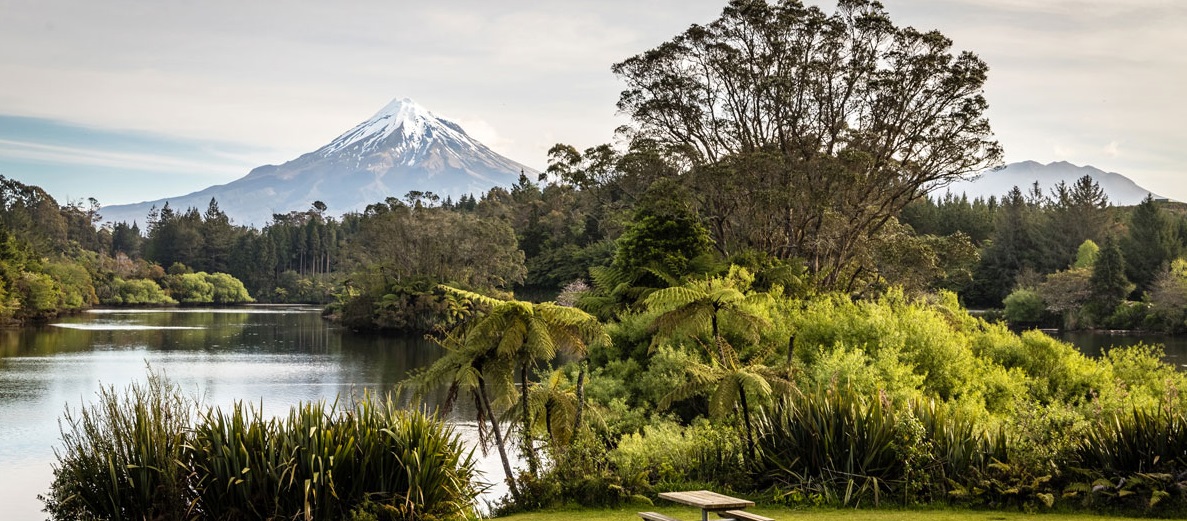
Lake Mangamahoe
In the early 1920s New Plymouth City Council purchased land for the construction of a dam and a lake to act as a water catchment area for the expanding city of New Plymouth. In 1932 the lake was created by forming a dam across the valley and submerging 79 acres.It was named after the Mangamahoe stream which flows into the upper reaches of the lake.